LogoQDD Actuator
Start inquiry
LogoQDD Actuator
WhatsApp
LogoQDD Actuator

Shenzhen and Dongguan QDD actuator factory network supporting robot joint selection, prototype validation, sample review, and B2B export delivery.

Inquiry Email

[email protected]

Email app

Include robot type, joint location, torque/speed/voltage targets, quantity, and destination.

Instant Chat

+86 18857971991

Chat on WhatsApp

Send QDD actuator specs, STEP files, or actuator references for engineering review.

Products
  • QDD Robot Actuators
  • Backdrivable Actuators
  • Hollow-Shaft QDD Actuators
  • All Products
Solutions
  • Quadruped Robots
  • Humanoid Lower Limbs
  • Exoskeletons
  • All Applications
OEM Capabilities
  • Custom QDD Actuator
  • Prototype to Production
  • Private-Label Actuators
  • OEM Hub
Engineering
  • QDD Explained
  • QDD vs Harmonic Drive
  • Thermal Sizing
  • All Engineering Resources
  • QDD Actuator Blog
  • Buyer Resources
Resources
  • CAD / Datasheet Library
  • Developer Support
  • Compliance Documents
  • About
  • Manufacturing Network
  • Contact / RFQ
  • Privacy Policy
  • Cookie Policy
  • Terms of Service
© 2026 QDD Actuator. All Rights Reserved.|Direct QDD actuator RFQ: [email protected] | WhatsApp +86 18857971991 | LinkedIn contact.
Backed by Linkup Ai Co., Ltd. Manufacturing delivered by the Advanced Manufacturing Division of Linkup Precision.|Legal entity: Linkup Ai Co., Ltd.
← Back to Engineering

QDD vs Series Elastic Actuator

A practical comparison of quasi-direct-drive and series elastic actuator approaches for legged robots, humanoids, exoskeletons, and force-control research.

Best Fit:Best for teams deciding whether to use QDD, SEA, or a hybrid compliance strategy.
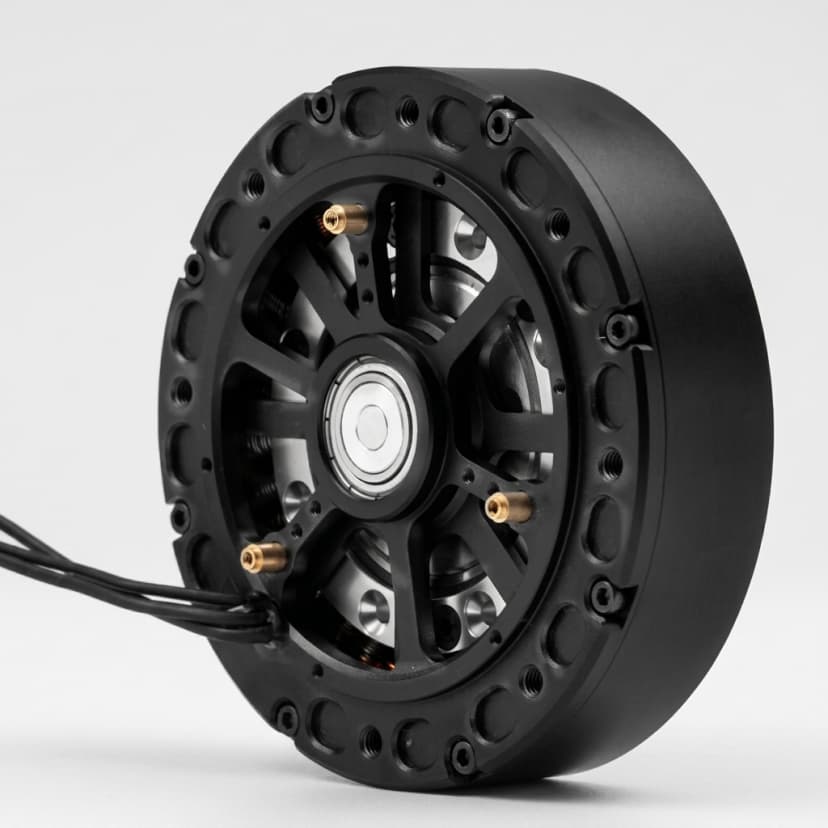
High-torque QDD actuator module for legged robot and exoskeleton joints

Key Takeaways

  • SEA adds physical elasticity; QDD relies more on low ratio and torque control
  • Both architectures can support compliant interaction when designed correctly
  • Tradeoffs include bandwidth, shock tolerance, packaging, sensing, and control complexity

Where This Applies

  • Legged robot actuator architecture decisions
  • Wearable robotics and human-interaction joints
  • Research platforms comparing compliance strategies

Engineering Focus

  • Desired stiffness and damping behavior
  • Torque bandwidth, sensing strategy, and calibration
  • Mechanical package, impact energy, and production complexity

Engineering Decision Summary

A buyer should leave this note with a testable decision framework: which variables matter, what evidence is missing, and whether the actuator should move into sample selection.

Best Evidence

Start with effective stiffness and connect it to the real robot duty cycle instead of reviewing catalog values alone.

Primary Risk

Compliance is selected without a measurable target

Next Buyer Action

Prepare target compliance behavior or reference joint plus validation targets before requesting samples or commercial terms.
How to Use This Engineering Note

Engineering notes should help a buyer make a practical decision, not only define terminology. Use the criteria below to convert the concept into a sample-review plan.

Effective stiffness

Direct torque sensing (QDD current-based) vs spring deflection (SEA encoder-based)

Controls contact behavior, oscillation, and physical interaction feel.

Torque bandwidth

QDD: 50–200 Hz torque bandwidth. SEA: 10–50 Hz (limited by spring compliance)

Affects how quickly force commands and disturbance response can be executed.

Evidence to Collect During Review

The note is most useful when the buyer turns the concept into measurable checks during prototype review.

Signal to CheckReview BasisEvidence to Ask For
Effective stiffnessDirect torque sensing (QDD current-based) vs spring deflection (SEA encoder-based)Define stiffness, damping, torque limit, bandwidth, and validation tests before selecting architecture.
Torque bandwidthQDD: 50–200 Hz torque bandwidth. SEA: 10–50 Hz (limited by spring compliance)Define stiffness, damping, torque limit, bandwidth, and validation tests before selecting architecture.

Acceptance Thresholds to Define

Define measurable pass/fail thresholds before the sample arrives. This prevents a subjective review where one team checks torque, another checks packaging, and nobody records whether the actuator can move toward pilot build.

  • Effective stiffness: Controls contact behavior, oscillation, and physical interaction feel.
  • Torque bandwidth: Affects how quickly force commands and disturbance response can be executed.

Where This Guidance Has Limits

The guidance is a selection framework. Final actuator fit still depends on the complete robot system, controller, and validation result.

  • Compliance is selected without a measurable target: Define stiffness, damping, torque limit, bandwidth, and validation tests before selecting architecture.

Data That Makes the Review Actionable

When sending an engineering question, include enough context for the supplier to answer with constraints and next tests instead of a generic definition.

Fixed Constraints

  • Target compliance behavior or reference joint
  • Peak impact and repeated duty cycle

Review Targets

  • Torque sensor or current-estimation strategy
  • Envelope, ratio, encoder, and controller constraints

Engineering Image References

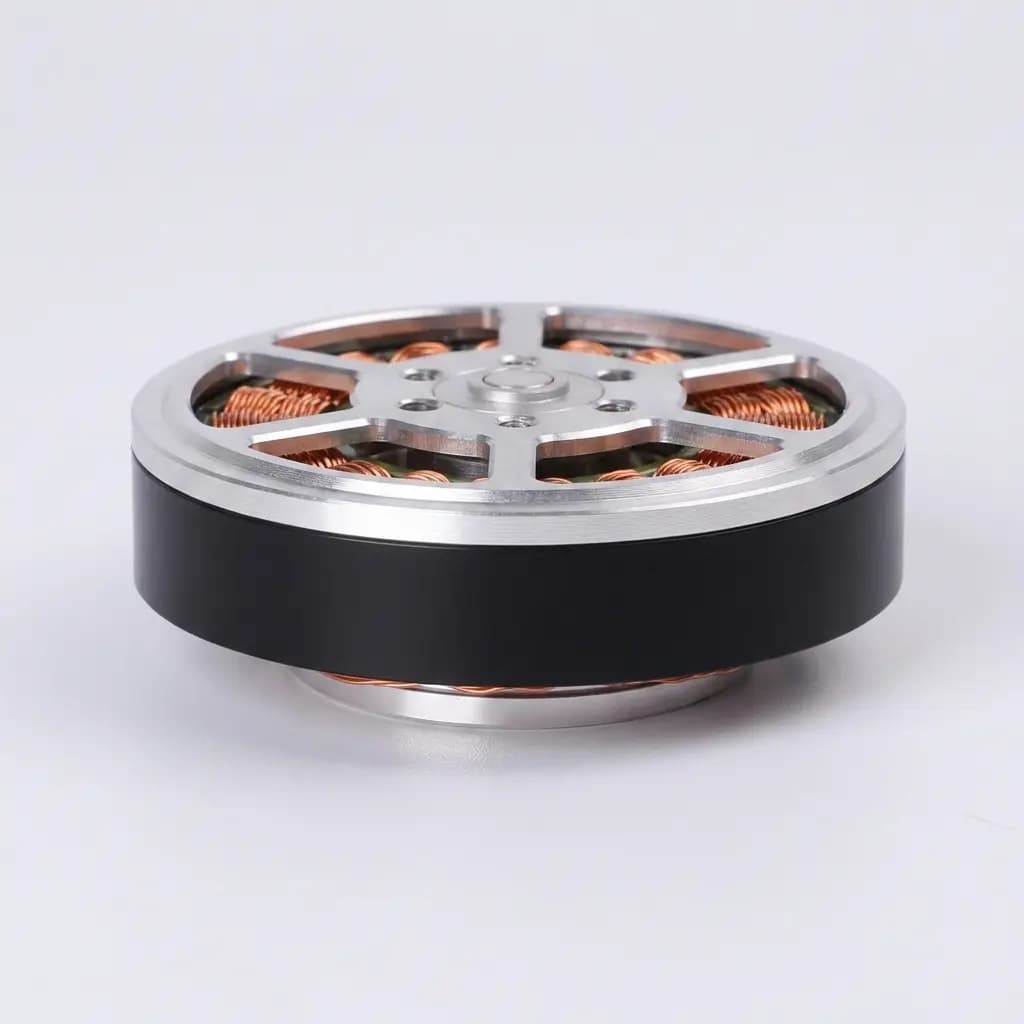
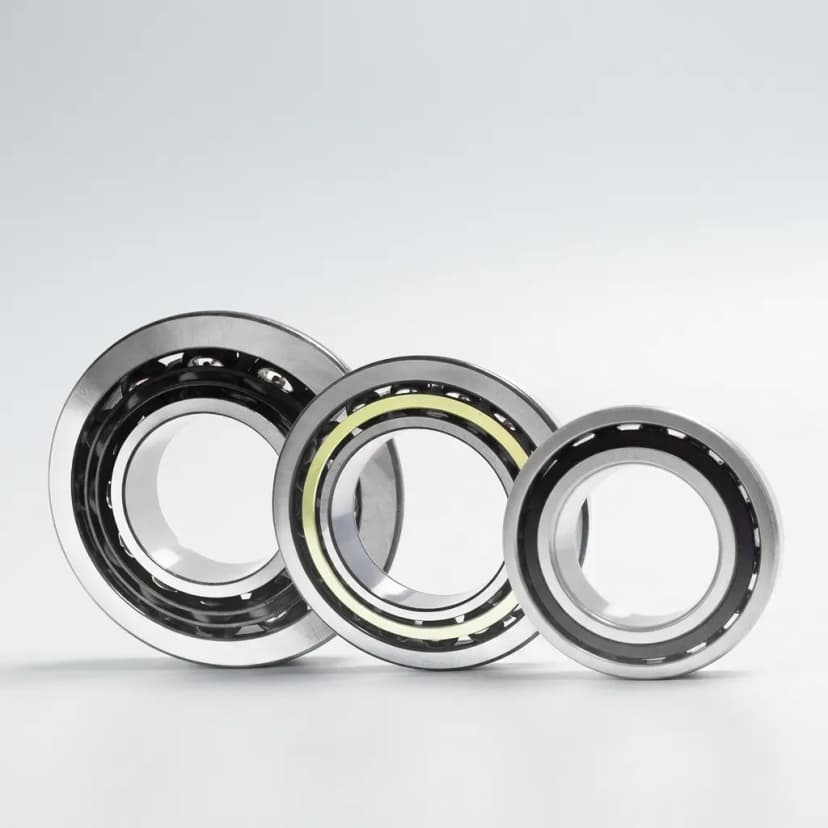
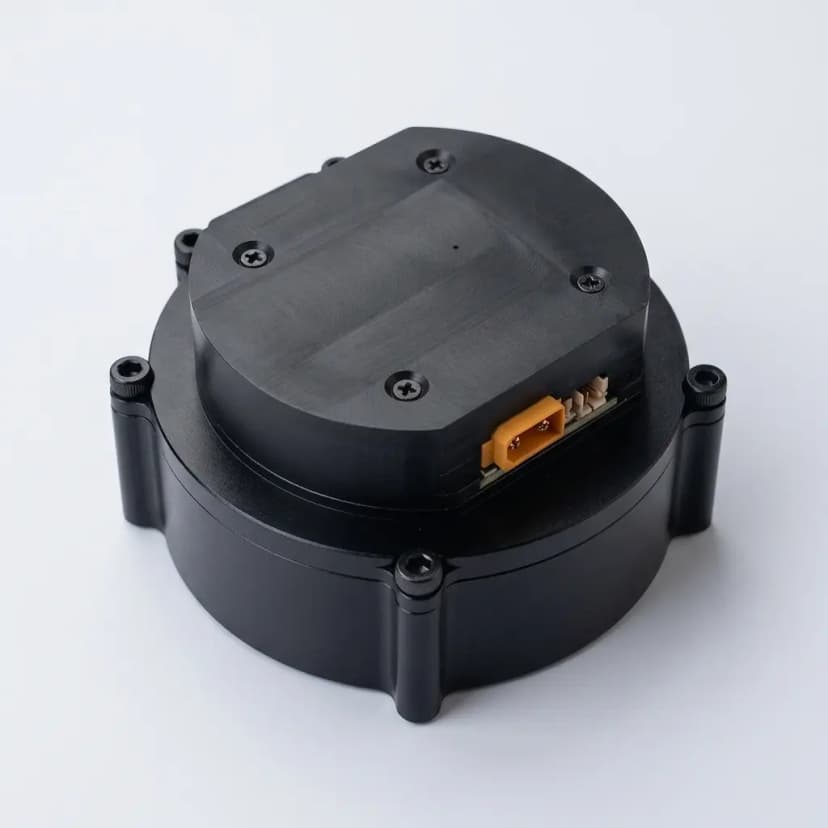
Product photos are used here as architecture references for buyer-side discussion. Final actuator selection depends on the validated joint envelope, ratio, torque-speed duty, and interface requirements.

Compact robot joint module for research and prototype actuator programs
Integrated robot dog joint actuator module for quadruped platforms
22 Nm planetary robot joint module for low-ratio actuator validation

Selection Criteria

CriterionTypical ReviewWhy It Matters
Effective stiffnessDirect torque sensing (QDD current-based) vs spring deflection (SEA encoder-based)Controls contact behavior, oscillation, and physical interaction feel.
Torque bandwidthQDD: 50–200 Hz torque bandwidth. SEA: 10–50 Hz (limited by spring compliance)Affects how quickly force commands and disturbance response can be executed.

Sample Review Inputs

  1. Target compliance behavior or reference joint
  2. Peak impact and repeated duty cycle
  3. Torque sensor or current-estimation strategy
  4. Envelope, ratio, encoder, and controller constraints

Risk Controls

  • Compliance is selected without a measurable target: Define stiffness, damping, torque limit, bandwidth, and validation tests before selecting architecture.

Buyer FAQ

Is QDD a replacement for every series elastic actuator?

No. QDD can reduce complexity and improve responsiveness in some joints, but SEA can still fit use cases needing explicit physical elasticity.

Related Resources

  • Backdrivability and Reflected Inertia
  • Contact / RFQ

Inquiry Email

[email protected]

Email app

Include robot type, joint location, torque/speed/voltage targets, quantity, and destination.

Instant Chat

+86 18857971991

Chat on WhatsApp

Send QDD actuator specs, STEP files, or actuator references for engineering review.