LogoQDD Actuator
Start inquiry
LogoQDD Actuator
WhatsApp
LogoQDD Actuator

Shenzhen and Dongguan QDD actuator factory network supporting robot joint selection, prototype validation, sample review, and B2B export delivery.

Inquiry Email

[email protected]

Email app

Include robot type, joint location, torque/speed/voltage targets, quantity, and destination.

Instant Chat

+86 18857971991

Chat on WhatsApp

Send QDD actuator specs, STEP files, or actuator references for engineering review.

Products
  • QDD Robot Actuators
  • Backdrivable Actuators
  • Hollow-Shaft QDD Actuators
  • All Products
Solutions
  • Quadruped Robots
  • Humanoid Lower Limbs
  • Exoskeletons
  • All Applications
OEM Capabilities
  • Custom QDD Actuator
  • Prototype to Production
  • Private-Label Actuators
  • OEM Hub
Engineering
  • QDD Explained
  • QDD vs Harmonic Drive
  • Thermal Sizing
  • All Engineering Resources
  • QDD Actuator Blog
  • Buyer Resources
Resources
  • CAD / Datasheet Library
  • Developer Support
  • Compliance Documents
  • About
  • Manufacturing Network
  • Contact / RFQ
  • Privacy Policy
  • Cookie Policy
  • Terms of Service
© 2026 QDD Actuator. All Rights Reserved.|Direct QDD actuator RFQ: [email protected] | WhatsApp +86 18857971991 | LinkedIn contact.
Backed by Linkup Ai Co., Ltd. Manufacturing delivered by the Advanced Manufacturing Division of Linkup Precision.|Legal entity: Linkup Ai Co., Ltd.
← Back to Resourcescan bus qdd actuator ethercat robot actuator integration

QDD Actuator Developer Support

Integration guidance for QDD actuator buyers reviewing controller modes, CAN or EtherCAT communication, encoder feedback, Python/C++/ROS workflows, and sample bring-up risk.

Best Fit:Best for robotics software, controls, and mechatronics teams that need to know what integration questions to close before ordering QDD actuator samples.

Resource Scope

  • Frames QDD actuator integration around controller, firmware, bus, encoder, and safety assumptions
  • Explains what to ask before depending on MIT-style control, current mode, position mode, or torque-control workflows
  • Gives a practical bring-up checklist for Python, C++, ROS, CAN, and EtherCAT-oriented teams
Where Buyers Use It

  • Robot lab sample bring-up
  • CAN bus joint control review
  • EtherCAT or higher-level controller architecture planning
  • Firmware, encoder, and driver-interface risk review

Evidence Policy

Protocol files, command maps, GUI tools, and example code must match the selected actuator electronics. Treat this page as an integration checklist, not a promise that every actuator family ships with the same software stack.

Requestable Asset Matrix

AssetStatusBuyer InputReview Note
Communication protocol noteRequestable by actuator electronics classTarget bus, controller, desired control modes, and diagnostic data requirementsAsk whether the selected actuator supports the required mode rather than assuming support from another model.
Python / C++ example directionReviewed per controller and firmware packageOperating system, controller hardware, sample timing, and interface adapterExample code should be used for bring-up only until safety, limits, and diagnostics are validated.
ROS integration notesProject-dependentROS version, control loop frequency, joint count, bus topology, and state feedback needsROS success depends on deterministic bus behavior, driver quality, and actuator protection limits.
GUI or parameter tool screenshotRequestable when the actuator package includes a matching setup toolFirmware version, parameter scope, and which values the buyer expects to tuneDo not rely on a screenshot alone; confirm exportable parameters and firmware revision control.

Decision Metrics

Bus latency

CAN: 1–4 ms at 1 Mbps. EtherCAT: <1 ms at 100 Mbps. Actual jitter depends on joint count and bus topology

Legged robots and force-control systems can become unstable when command and feedback timing are poorly understood.

Control mode support

Position, velocity, current, torque-style, or MIT-style modes depending on electronics

The mechanical actuator may fit, but the software stack can still block integration.

Feedback resolution

17-bit (131,072 counts/rev) to 19-bit (524,288 counts/rev) absolute encoders

Torque transparency, low-speed control, and backlash compensation depend on usable feedback data.

RFQ Checklist

  1. Actuator family or torque class under review
  2. Preferred communication bus: CAN, EtherCAT, RS485, UART, or other interface
  3. Required control modes: position, speed, current, torque-style, MIT-style, or custom loop
  4. Controller hardware, operating system, ROS version, and expected update rate
  5. Joint count, cable length, grounding plan, and bus topology
  6. Encoder, brake, fault handling, limits, logging, and diagnostic needs
  7. Sample bring-up timeline and whether example code or GUI support is required

Risk Controls

  • The buyer assumes MIT mode or torque mode is available on every actuator: Confirm electronics, firmware, command interface, protection limits, and example code for the exact sample.
  • CAN bus works on one joint but fails across many joints: Review joint count, bus length, baud rate, grounding, update rate, and diagnostic traffic before robot-level testing.
  • ROS integration is treated as only a driver issue: Check timing, state feedback, current limits, fault recovery, and safety-stop behavior together.

Relevant Product References

These visuals are actuator references for resource discussions. The exact file package, protocol scope, or compliance evidence must match the selected actuator configuration.

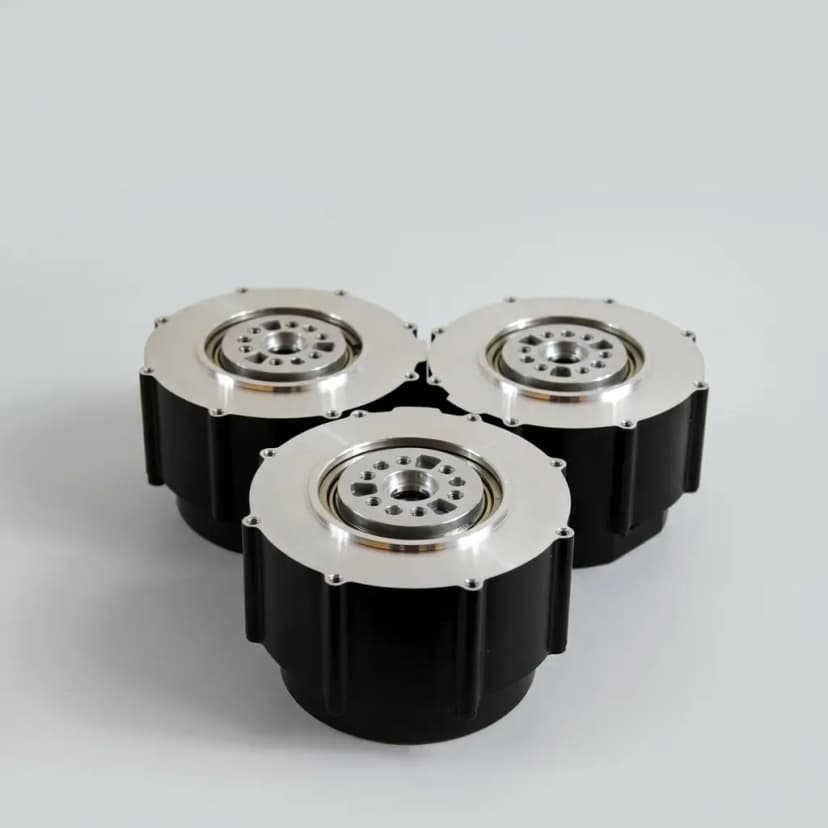
Integrated 36 Nm QDD actuator module for high-torque robot joints
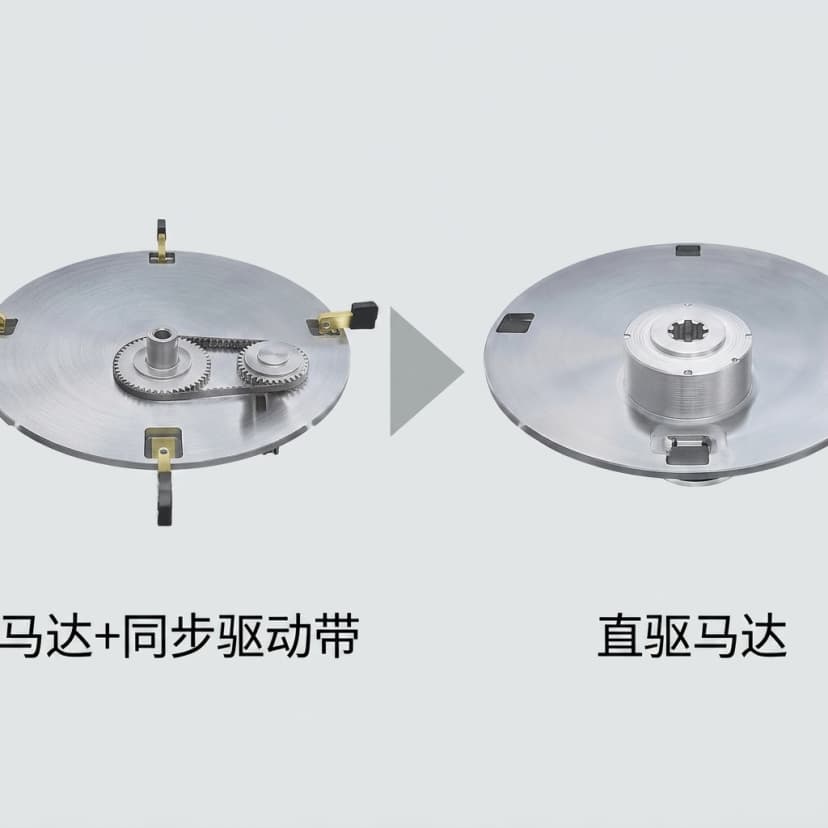
Direct-drive motor reference for QDD architecture and ratio comparison
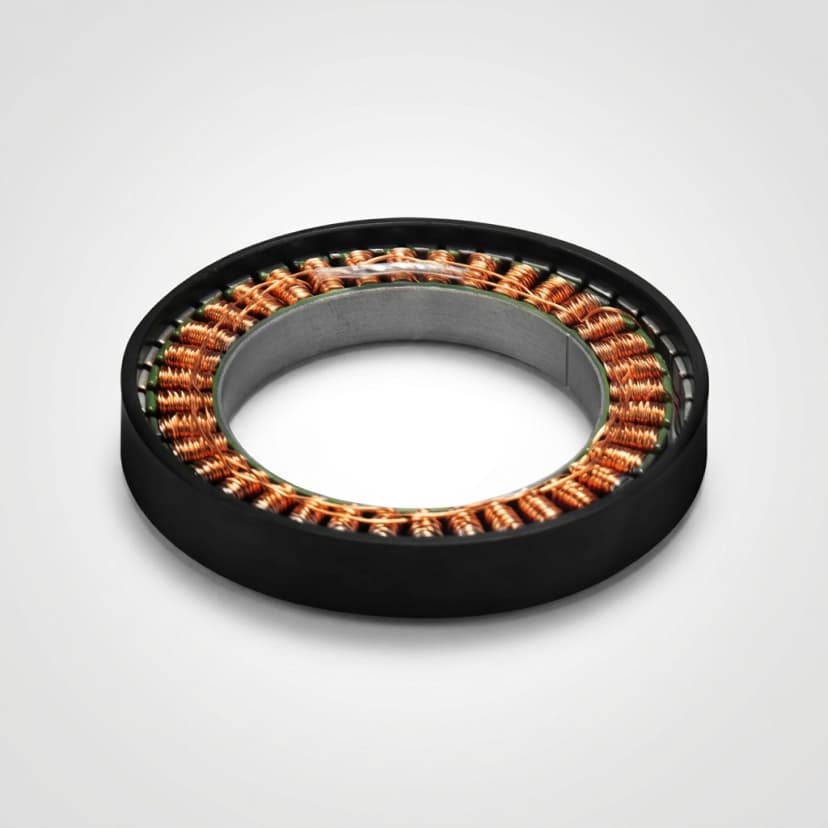
Outer-rotor brushless torque motor for backdrivable robot joint review

Buyer FAQ

Do all QDD actuators support CAN bus?

No. CAN support depends on the selected actuator electronics and firmware. Confirm the exact communication interface before sample order.

Can EtherCAT integration be supported?

EtherCAT can be reviewed when the buyer shares controller architecture, update-rate requirements, and actuator electronics scope. It should be treated as a project-specific integration requirement.

Can you provide Python or C++ examples?

Example direction can be reviewed per actuator package. Buyers should still validate safety limits, fault handling, and timing before robot testing.

Related Pages

  • Torque Control in QDD Actuators
  • Research Robots
  • CAD and Datasheet Library
  • Contact / RFQ

Inquiry Email

[email protected]

Email app

Include robot type, joint location, torque/speed/voltage targets, quantity, and destination.

Instant Chat

+86 18857971991

Chat on WhatsApp

Send QDD actuator specs, STEP files, or actuator references for engineering review.