LogoQDD Actuator
Start inquiry
LogoQDD Actuator
WhatsApp
LogoQDD Actuator

Shenzhen and Dongguan QDD actuator factory network supporting robot joint selection, prototype validation, sample review, and B2B export delivery.

Inquiry Email

[email protected]

Email app

Include robot type, joint location, torque/speed/voltage targets, quantity, and destination.

Instant Chat

+86 18857971991

Chat on WhatsApp

Send QDD actuator specs, STEP files, or actuator references for engineering review.

Products
  • QDD Robot Actuators
  • Backdrivable Actuators
  • Hollow-Shaft QDD Actuators
  • All Products
Solutions
  • Quadruped Robots
  • Humanoid Lower Limbs
  • Exoskeletons
  • All Applications
OEM Capabilities
  • Custom QDD Actuator
  • Prototype to Production
  • Private-Label Actuators
  • OEM Hub
Engineering
  • QDD Explained
  • QDD vs Harmonic Drive
  • Thermal Sizing
  • All Engineering Resources
  • QDD Actuator Blog
  • Buyer Resources
Resources
  • CAD / Datasheet Library
  • Developer Support
  • Compliance Documents
  • About
  • Manufacturing Network
  • Contact / RFQ
  • Privacy Policy
  • Cookie Policy
  • Terms of Service
© 2026 QDD Actuator. All Rights Reserved.|Direct QDD actuator RFQ: [email protected] | WhatsApp +86 18857971991 | LinkedIn contact.
Backed by Linkup Ai Co., Ltd. Manufacturing delivered by the Advanced Manufacturing Division of Linkup Precision.|Legal entity: Linkup Ai Co., Ltd.
← Back to Resourcesqdd actuator datasheet cad model

QDD Actuator CAD and Datasheet Library

A buyer guide for requesting QDD actuator datasheets, 2D drawings, STEP/IGES models, torque-speed notes, and integration documents without creating revision confusion.

Best Fit:Best for mechanical engineers, research teams, and procurement reviewers who need enough QDD actuator documentation to evaluate fit before sample purchase.

Resource Scope

  • Clarifies which documents can be requested before quotation and which require a defined actuator class
  • Explains how STEP, IGES, 2D drawings, and datasheets should be used during joint packaging review
  • Reduces back-and-forth by listing the exact buyer inputs needed for useful engineering documents

Where Buyers Use It

  • Preliminary robot joint envelope review
  • Internal BOM and supplier-shortlist approval
  • Prototype fixture, cable-routing, and shaft/flange planning

Evidence Policy

Documents are shared according to actuator class, project context, revision status, and confidentiality requirements. The site should not publish uncontrolled drawings that buyers might treat as final production data.

Requestable Asset Matrix

AssetStatusBuyer InputReview Note
Datasheet PDFRequestable after actuator class reviewTarget torque, speed, voltage, duty cycle, interface needs, and quantity stageUse for early electrical and mechanical shortlist review, not final PO control unless revision is confirmed.
2D installation drawingRequestable when shaft, flange, bolt pattern, and connector direction are relevantJoint envelope, output direction, bolt-circle constraints, and cable exit preferenceUseful for checking package fit, service access, and fixture planning.
3D CAD / STEP / IGESShared when applicable after RFQ context and revision boundary are clearRequired CAD format, target assembly system, confidentiality needs, and whether the model is for concept or toolingSTEP files should be treated as integration references until a controlled drawing revision is issued.
Torque-speed or thermal noteProgram-dependentMotion cycle, RMS torque, peak torque, ambient temperature, mounting heat path, and current limitReal curves depend on actuator configuration and test conditions; avoid comparing curves without duty-cycle context.
Communication or wiring noteRequestable for controller integration reviewCAN/EtherCAT/other bus target, encoder needs, cable length, connector family, and controller stackProtocol details should be matched to the buyer controller before sample validation.

Decision Metrics

Revision control

Concept, sample, pilot, or production revision

Prevents buyers from designing around an outdated drawing or uncontrolled CAD file.

Document purpose

Screening, packaging, prototype, pilot, or PO control

The same file can be harmless for shortlist review but risky if treated as a final manufacturing document.

Integration completeness

Mechanical, electrical, thermal, and protocol context

A CAD model alone cannot confirm torque, heat, control, cable, and batch-readiness fit.

RFQ Checklist

  1. Robot type, joint location, and target actuator family
  2. Continuous torque, peak torque, speed, voltage, current limit, and duty cycle
  3. Available diameter, length, shaft/flange, bolt pattern, and cable routing constraints
  4. Required file formats: PDF, DWG/DXF, STEP, IGES, wiring note, or communication note
  5. Document purpose: concept review, prototype assembly, internal approval, pilot run, or production release
  6. Confidentiality requirements, revision-control needs, destination market, and timeline

Risk Controls

  • A buyer requests CAD before the actuator family is clear: Start with joint location, torque-speed-voltage target, and envelope constraints before selecting which file set matters.
  • A STEP model is treated as a final production drawing: Confirm revision status, tolerance level, and final drawing authority before tooling or batch PO release.
  • Datasheet numbers are compared without thermal duty context: Request duty-cycle assumptions and mounting heat path before comparing continuous torque claims.

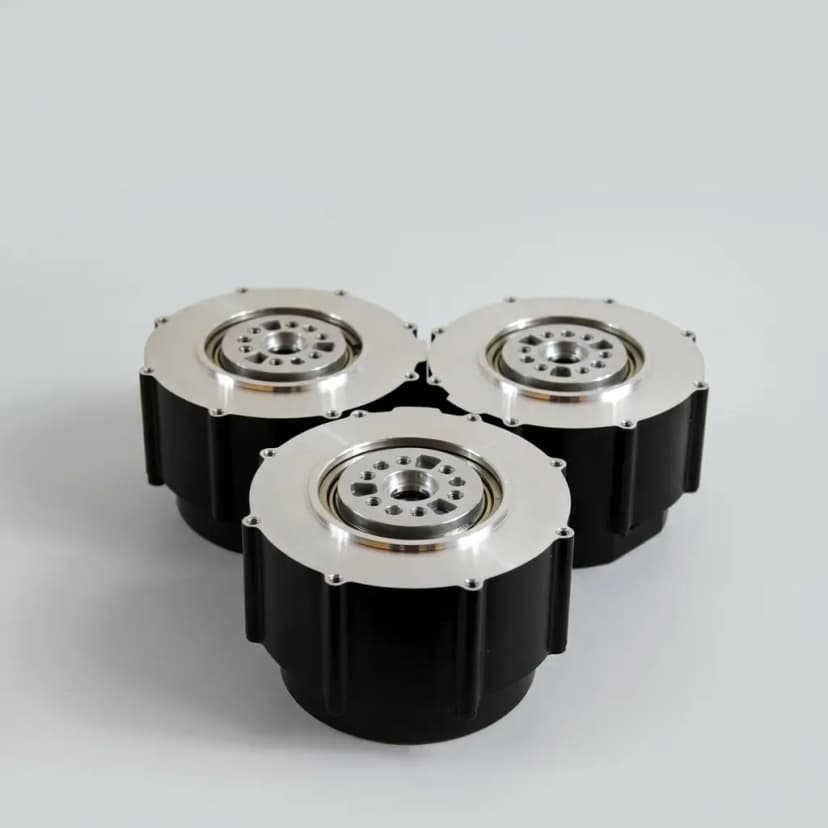
Relevant Product References

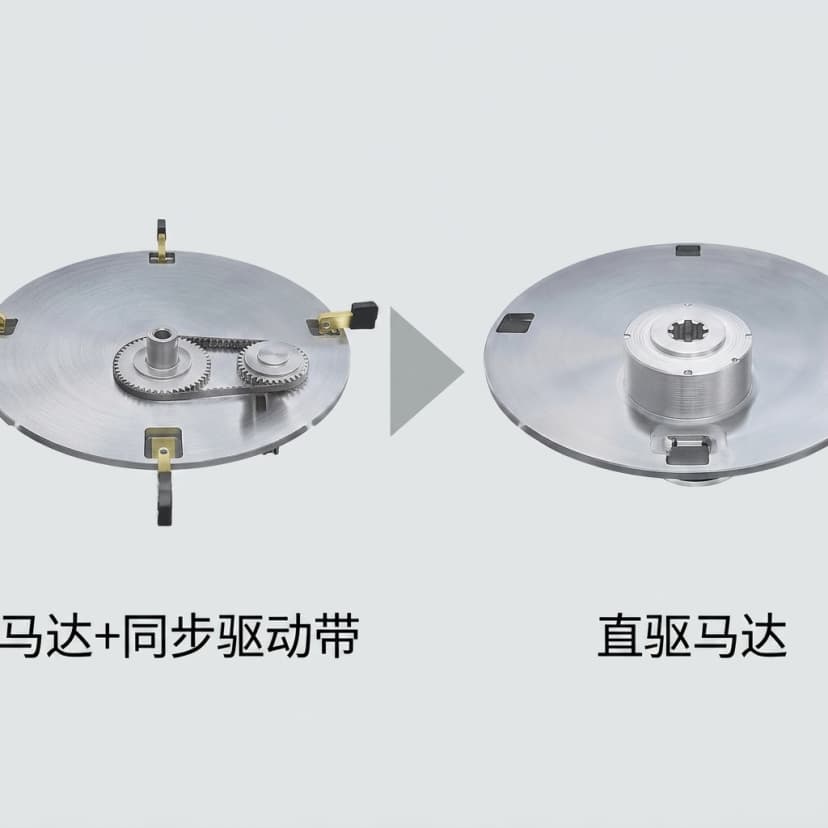
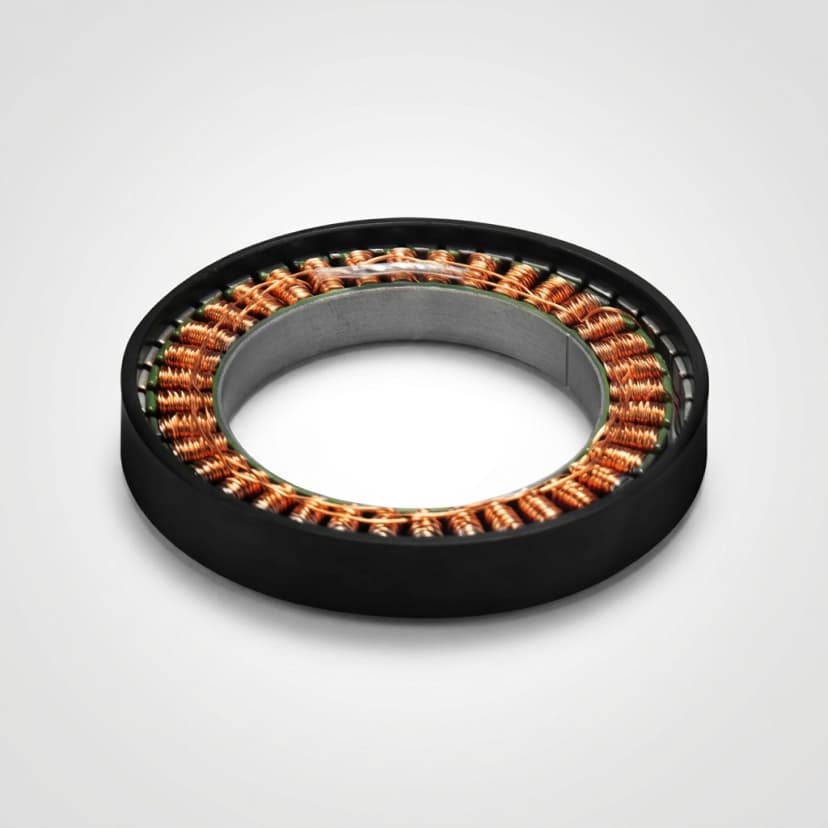
These visuals are actuator references for resource discussions. The exact file package, protocol scope, or compliance evidence must match the selected actuator configuration.

Integrated 36 Nm QDD actuator module for high-torque robot joints
Direct-drive motor reference for QDD architecture and ratio comparison
Outer-rotor brushless torque motor for backdrivable robot joint review

Buyer FAQ

Can CAD files be shared before purchase?

Applicable CAD files can be shared after the actuator class, project context, and revision purpose are clear. For early screening, a simplified envelope model is often safer than uncontrolled final geometry.

Can you provide STEP and IGES formats?

STEP or IGES can be reviewed by request when available for the selected actuator family and when the buyer explains the assembly use case.

Why not publish every drawing directly on the page?

QDD actuator programs often involve configurable shafts, housings, connectors, encoders, and ratios. Publishing uncontrolled drawings can create mismatch risk, so document release should match the actual configuration.

Related Pages

  • QDD Robot Actuators
  • Research Robots
  • Developer Support
  • Contact / RFQ

Inquiry Email

[email protected]

Email app

Include robot type, joint location, torque/speed/voltage targets, quantity, and destination.

Instant Chat

+86 18857971991

Chat on WhatsApp

Send QDD actuator specs, STEP files, or actuator references for engineering review.