LogoQDD Actuator
Start inquiry
LogoQDD Actuator
WhatsApp
LogoQDD Actuator

Shenzhen and Dongguan QDD actuator factory network supporting robot joint selection, prototype validation, sample review, and B2B export delivery.

Inquiry Email

[email protected]

Email app

Include robot type, joint location, torque/speed/voltage targets, quantity, and destination.

Instant Chat

+86 18857971991

Chat on WhatsApp

Send QDD actuator specs, STEP files, or actuator references for engineering review.

Products
  • QDD Robot Actuators
  • Backdrivable Actuators
  • Hollow-Shaft QDD Actuators
  • All Products
Solutions
  • Quadruped Robots
  • Humanoid Lower Limbs
  • Exoskeletons
  • All Applications
OEM Capabilities
  • Custom QDD Actuator
  • Prototype to Production
  • Private-Label Actuators
  • OEM Hub
Engineering
  • QDD Explained
  • QDD vs Harmonic Drive
  • Thermal Sizing
  • All Engineering Resources
  • QDD Actuator Blog
  • Buyer Resources
Resources
  • CAD / Datasheet Library
  • Developer Support
  • Compliance Documents
  • About
  • Manufacturing Network
  • Contact / RFQ
  • Privacy Policy
  • Cookie Policy
  • Terms of Service
© 2026 QDD Actuator. All Rights Reserved.|Direct QDD actuator RFQ: [email protected] | WhatsApp +86 18857971991 | LinkedIn contact.
Backed by Linkup Ai Co., Ltd. Manufacturing delivered by the Advanced Manufacturing Division of Linkup Precision.|Legal entity: Linkup Ai Co., Ltd.
← Back to OEM Capabilities

Custom QDD Actuator OEM Programs

Collaborative OEM/ODM support for robot teams that need QDD actuator samples, modified mechanics, and a credible path to batch production.

Best Fit For:Best for OEM teams with a real robot program, target specs, and prototype or production schedule.
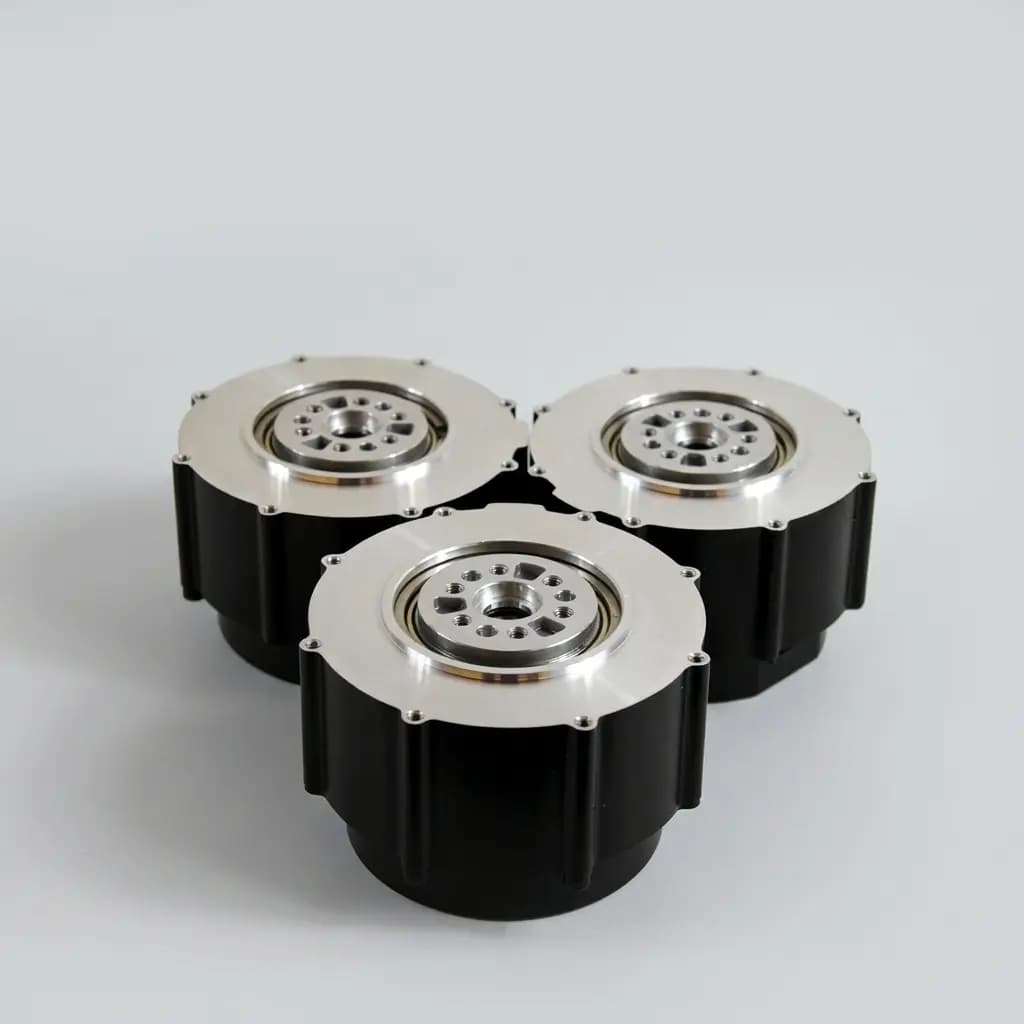
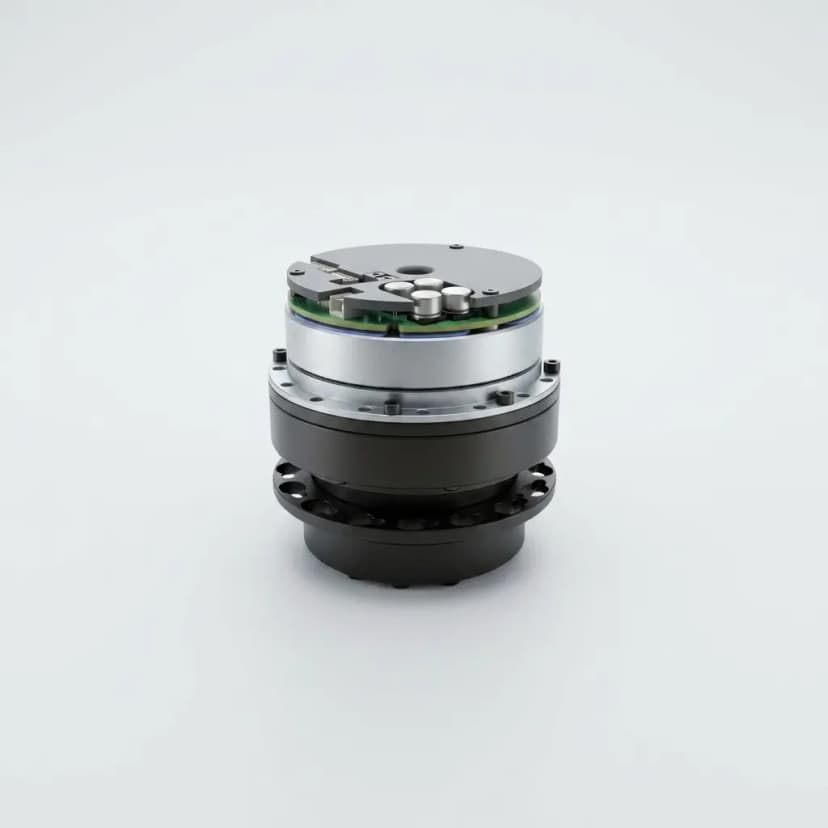
Integrated 36 Nm QDD actuator module for high-torque robot joints

Capability Highlights

  • Gear ratio, winding, encoder, shaft, hollow routing, and housing customization
  • Connector, cable routing, brake, driver/interface, and mounting review
  • Drawing review, sample validation, pilot run, and batch release workflow

Typical Engagement Scope

  • New robot platform development
  • Replacement of unsuitable overseas actuator modules
  • Private-label QDD actuator sourcing

Execution Focus

  • Turn fuzzy motion goals into manufacturable actuator specs
  • Lock critical-to-quality dimensions, interfaces, and test methods
  • Plan sample validation before pilot run and batch release

Program Decision Summary

A buyer should use this page to decide whether the request is a sample selection, a modified actuator, or a controlled OEM program with revision, inspection, and delivery requirements.

Best Evidence

Start with customization scope and connect it to the real robot duty cycle instead of reviewing catalog values alone.

Primary Risk

Customization starts without fixed integration constraints

Next Buyer Action

Prepare target robot type and joint location plus validation targets before requesting samples or commercial terms.
OEM Program Review Method

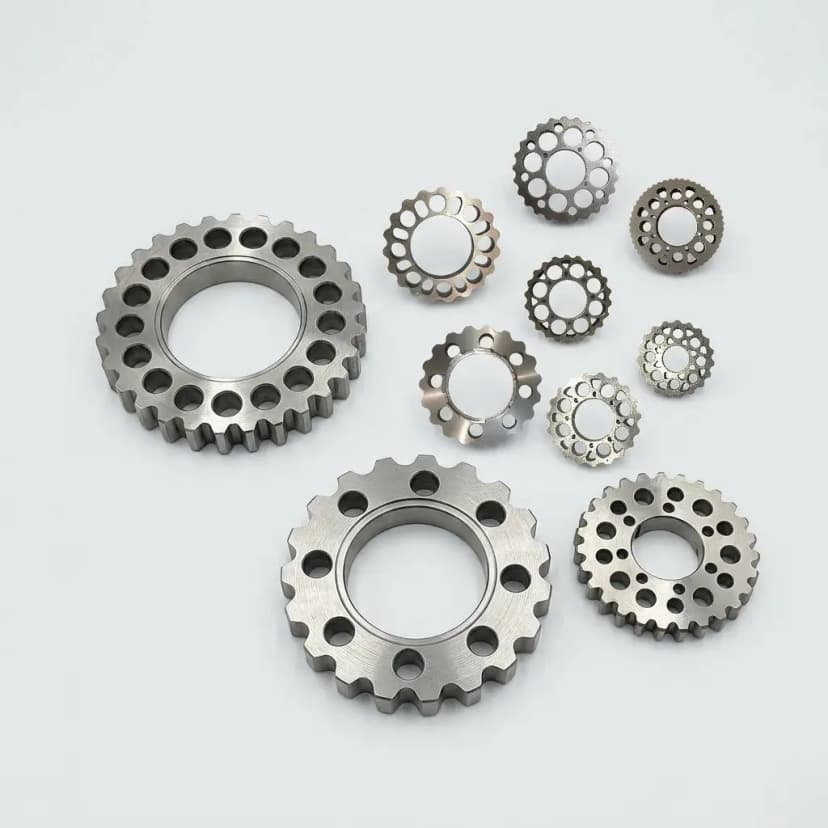
OEM pages should clarify how a custom actuator request becomes a controlled program, not only say that customization is possible.

Customization scope

Ratio (6:1–10:1), winding (24V/48V), shaft (spline/flange/D-cut), encoder (17–19 bit), connector (GX12/Molex/custom)

Defines whether the request is a sample selection, modified model, or full OEM program.

DFM review depth

DFM review in 3–5 business days, custom sample in 3–6 weeks

Reduces sample iteration and prevents selecting a mechanically unsuitable actuator.

Prototype-to-Batch Evidence

The strongest OEM path separates prototype evidence, pilot-run control, and batch-release requirements.

Signal to CheckReview BasisEvidence to Ask For
Customization scopeRatio (6:1–10:1), winding (24V/48V), shaft (spline/flange/D-cut), encoder (17–19 bit), connector (GX12/Molex/custom)Share drawings, STEP references, voltage/current limits, bus requirements, and joint loads before sample build.
DFM review depthDFM review in 3–5 business days, custom sample in 3–6 weeksDefine BOM freeze, inspection fixtures, outgoing test records, and supplier controls before pilot run.

Acceptance Thresholds to Define

Define measurable pass/fail thresholds before the sample arrives. This prevents a subjective review where one team checks torque, another checks packaging, and nobody records whether the actuator can move toward pilot build.

  • Customization scope: Defines whether the request is a sample selection, modified model, or full OEM program.
  • DFM review depth: Reduces sample iteration and prevents selecting a mechanically unsuitable actuator.

When Customization Should Wait

Customization increases value only when the core constraints are known. Starting too early can create cost, lead-time, and validation risk.

  • Customization starts without fixed integration constraints: Share drawings, STEP references, voltage/current limits, bus requirements, and joint loads before sample build.
  • Prototype succeeds but batch repeatability fails: Define BOM freeze, inspection fixtures, outgoing test records, and supplier controls before pilot run.

Program Inputs Needed Before Quotation

The first review is more useful when engineering, purchasing, and production context are shared together.

Fixed Constraints

  • Target robot type and joint location
  • Torque-speed-voltage targets and duty cycle
  • Mechanical envelope, shaft/flange drawing, or STEP reference

Review Targets

  • Communication, encoder, brake, connector, and cable requirement
  • Prototype quantity, annual forecast, destination, and target date

Program Evaluation Matrix

Program MetricTypical RangeProcurement Value
Customization scopeRatio (6:1–10:1), winding (24V/48V), shaft (spline/flange/D-cut), encoder (17–19 bit), connector (GX12/Molex/custom)Defines whether the request is a sample selection, modified model, or full OEM program.
DFM review depthDFM review in 3–5 business days, custom sample in 3–6 weeksReduces sample iteration and prevents selecting a mechanically unsuitable actuator.

RFQ Preparation Checklist

  1. Target robot type and joint location
  2. Torque-speed-voltage targets and duty cycle
  3. Mechanical envelope, shaft/flange drawing, or STEP reference
  4. Communication, encoder, brake, connector, and cable requirement
  5. Prototype quantity, annual forecast, destination, and target date

Risk and Mitigation

  • Customization starts without fixed integration constraints: Share drawings, STEP references, voltage/current limits, bus requirements, and joint loads before sample build.
  • Prototype succeeds but batch repeatability fails: Define BOM freeze, inspection fixtures, outgoing test records, and supplier controls before pilot run.

Related Products

Flange-output robot joint actuator module for mechanical interface review
Integrated robot joint actuator module for compact cable-routing layouts
Hollow rotary actuator module for cable-routing and compact joint review
Outer-rotor torque robot joint module for high-torque actuator review

Buyer FAQ

Can you start from a competitor actuator reference?

Yes. Share the reference model, pain points, and target improvements so we can propose a QDD-focused alternative.

Do custom QDD actuators require a production forecast?

A forecast helps choose a realistic tooling, test, cost, and delivery path, even when the first step is only prototypes.

Related Resources

  • QDD Robot Actuators
  • Prototype to Production
  • Contact / RFQ

Inquiry Email

[email protected]

Email app

Include robot type, joint location, torque/speed/voltage targets, quantity, and destination.

Instant Chat

+86 18857971991

Chat on WhatsApp

Send QDD actuator specs, STEP files, or actuator references for engineering review.