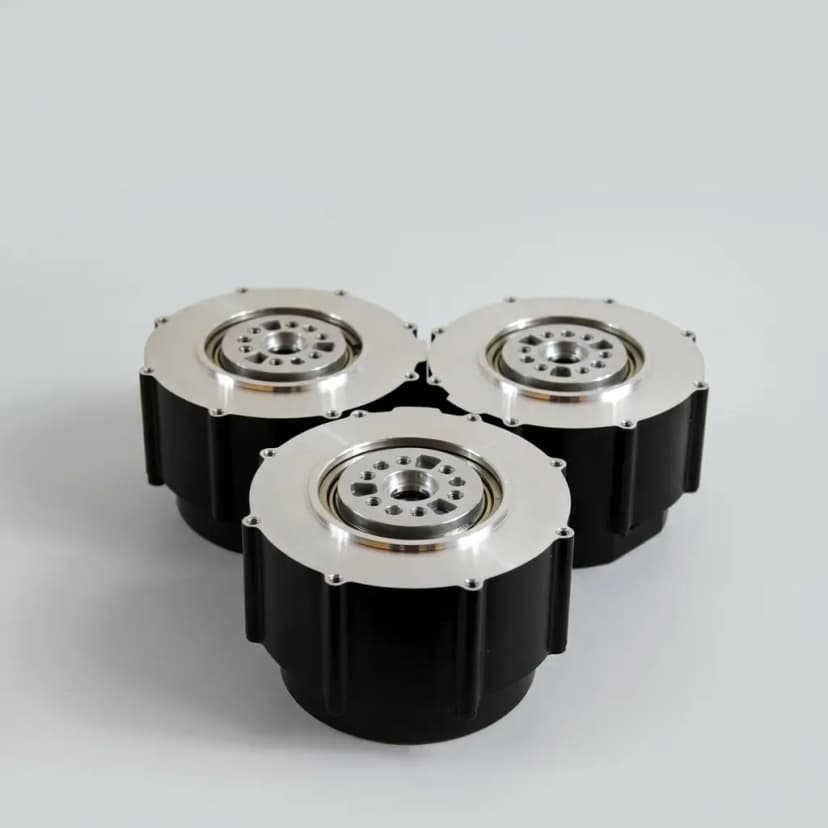
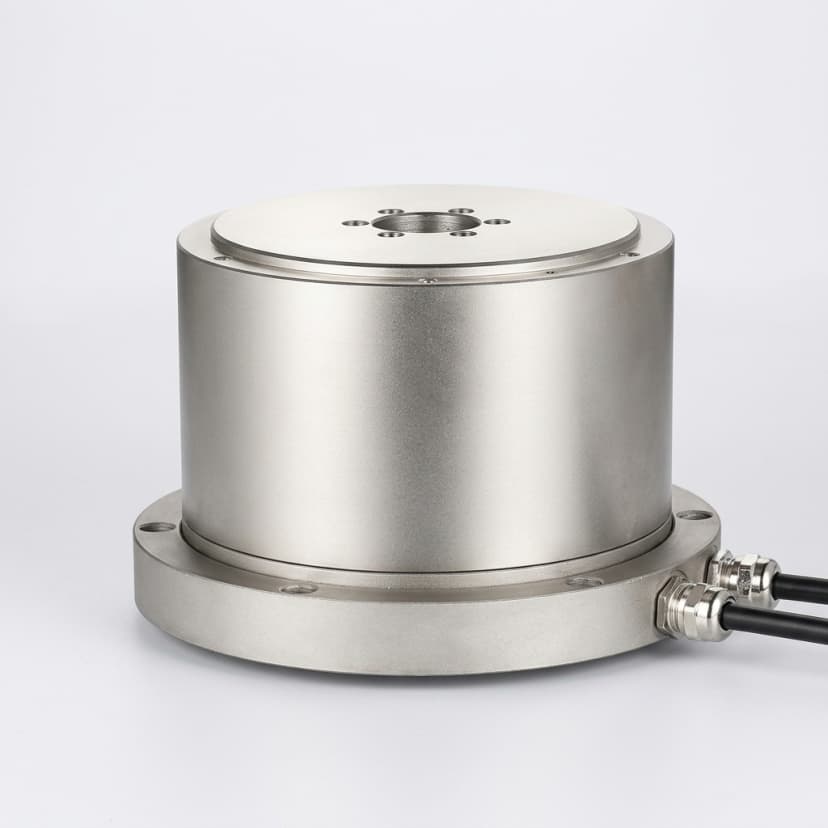
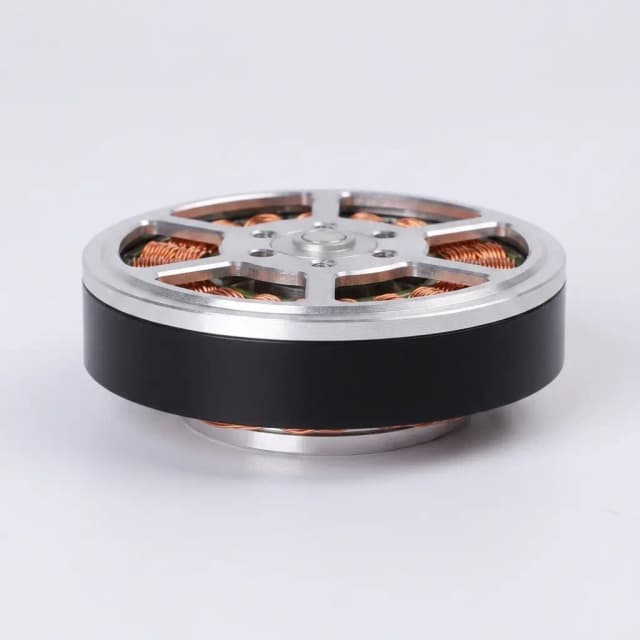
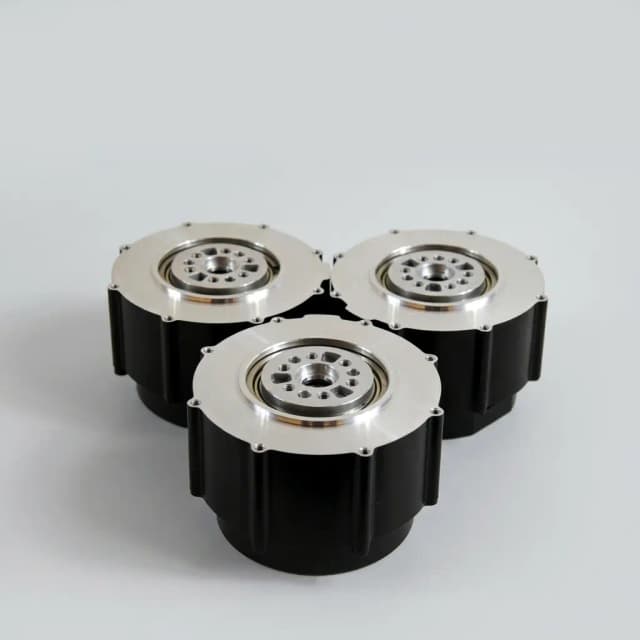
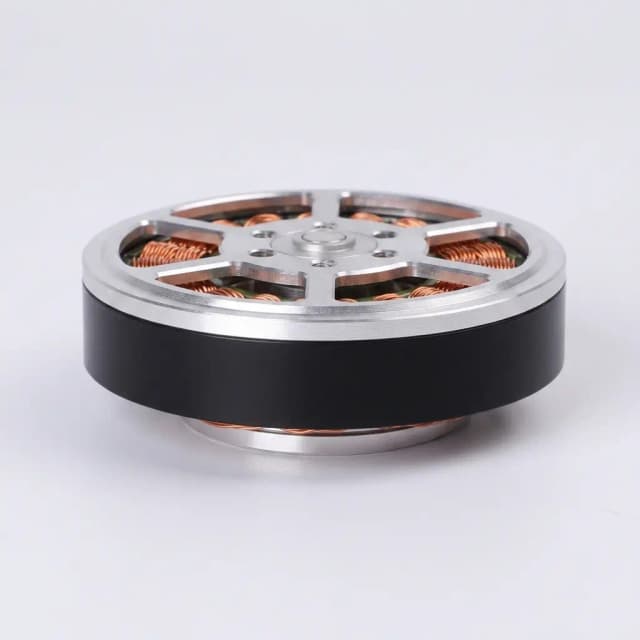
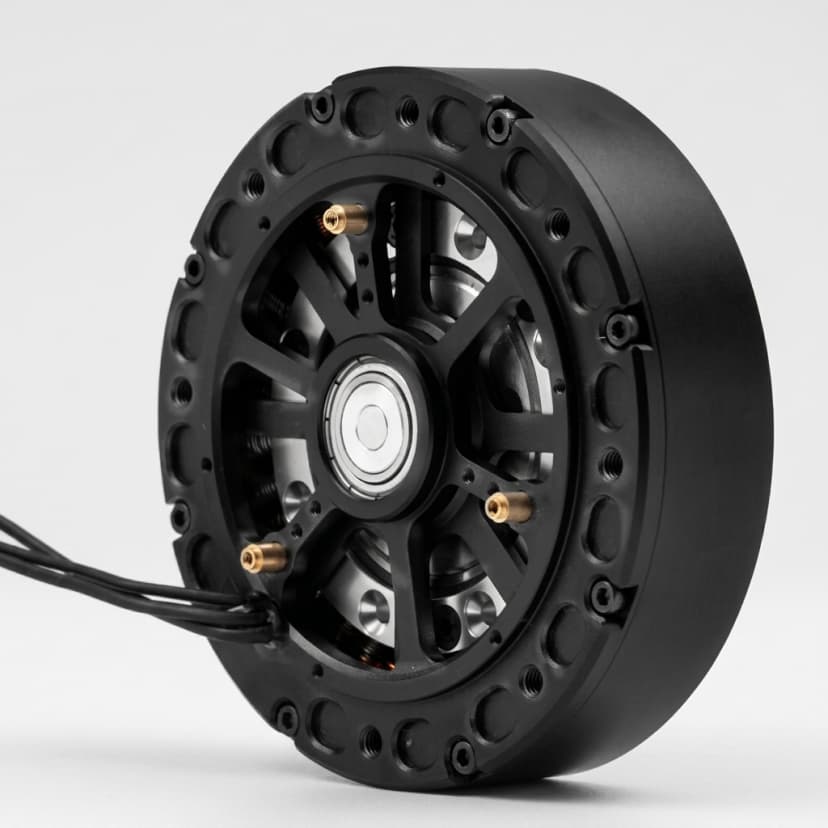
| 105Nm Quasi-Direct Drive Actuator | Robotics R&D Engineer / Humanoid Startup CTO looking for customizable QDD modules with verified torque-to-weight ratio and backdrivability. | Peak Torque: 105 Nm (at peak phase current, short duration) | Determines the dynamic acceleration and payload support capability of legged robots during jump or high-load stance phases. |
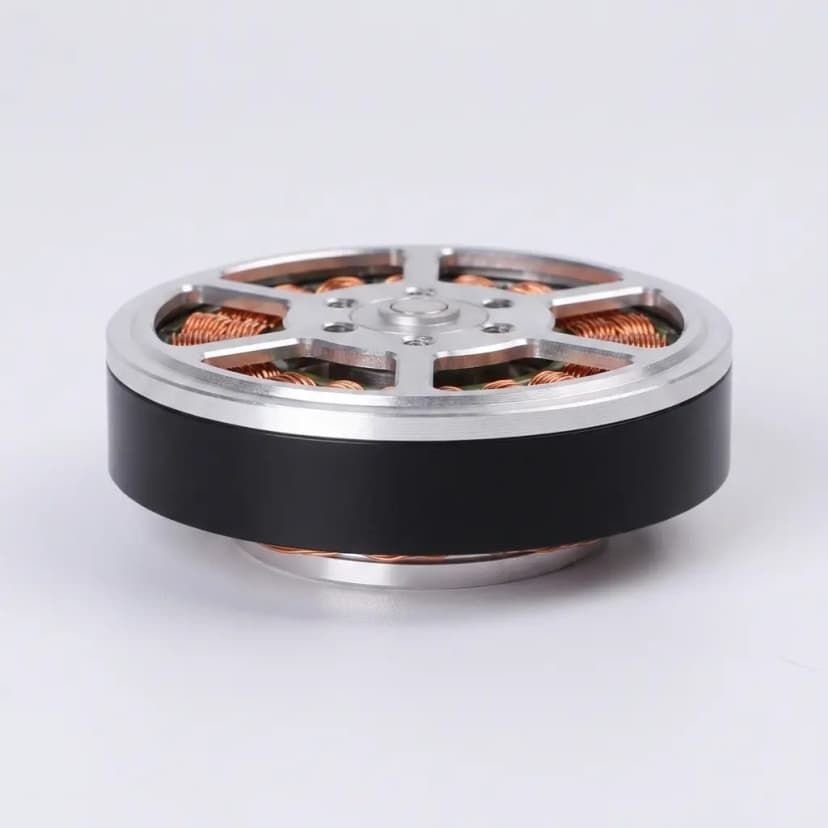
| QDD Robot Actuators | Best for robotics teams comparing QDD joint modules for prototype validation and later batch production. | Torque class: 14–60 Nm continuous, 36–200 Nm peak across families | Separates arm, hip, knee, ankle, and lab platform requirements before samples are selected. |
| Backdrivable Actuators | Best for teams prioritizing compliance, controllability, and disturbance response over maximum static holding stiffness. | Backdrive torque: 0.3–1.5 Nm unpowered (6:1 planetary), <0.5 Nm target for exoskeletons | Shows how much external torque is needed to move the joint without a motor command. |
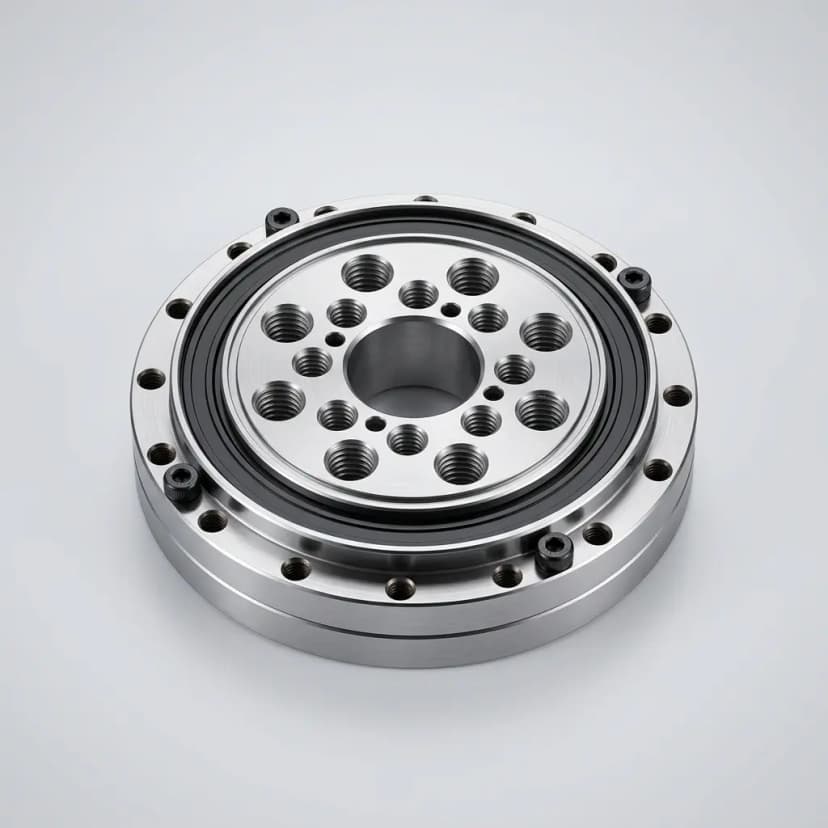
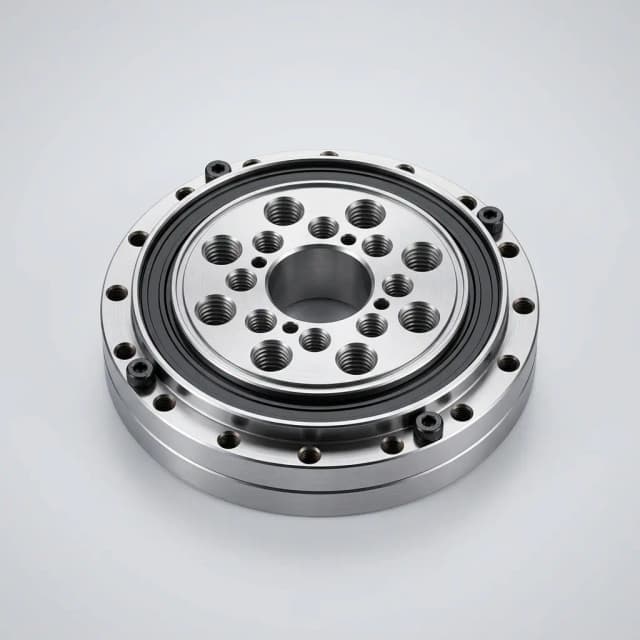
| Low-Ratio Planetary Actuators | Best for mechanical engineers choosing a reducer architecture for responsive robot joints. | Backlash: 5–15 arcmin (single-stage planetary), 3–8 arcmin (precision grade) | Affects position control, torque ripple, gait smoothness, and repeatability. |
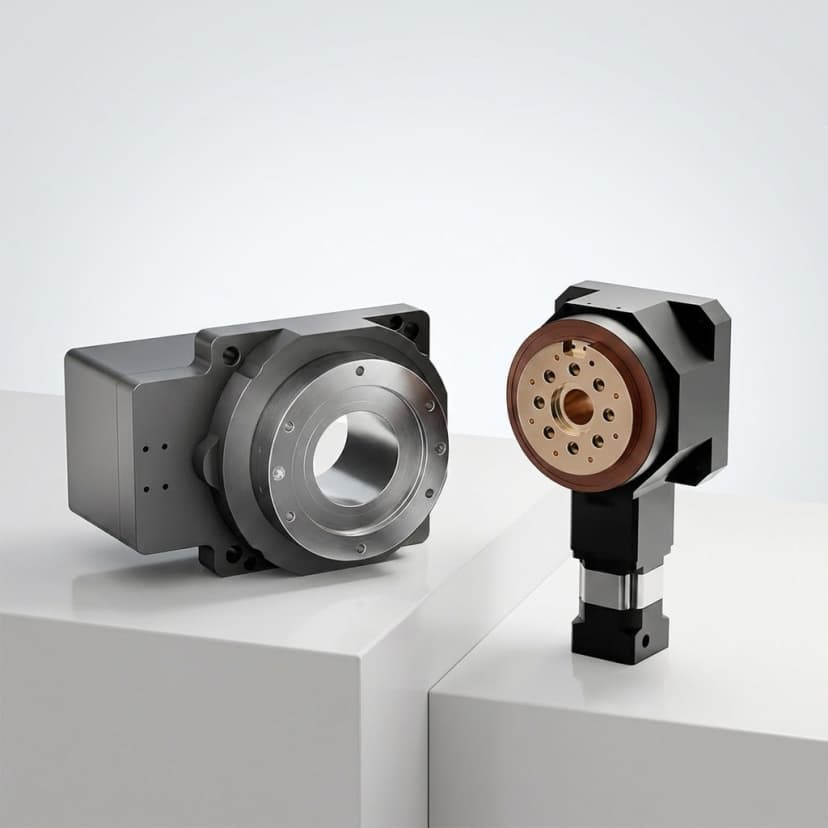
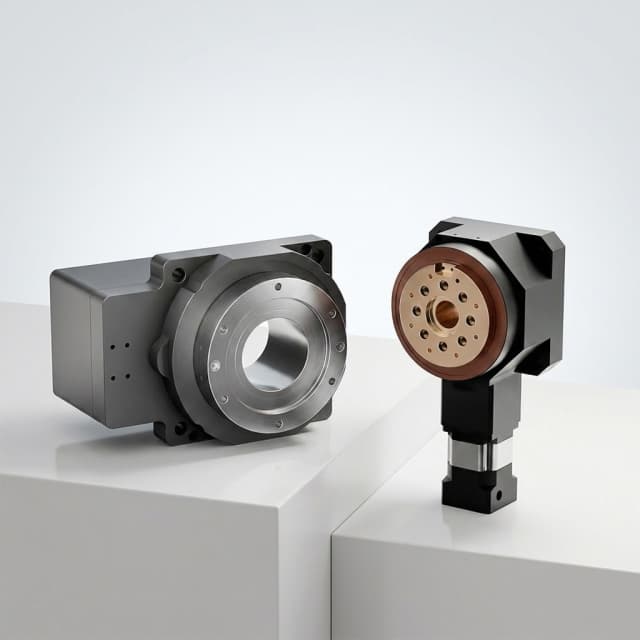
| Hollow-Shaft QDD Actuators | Best for robot mechanical teams constrained by cable routing, joint envelope, and serviceability. | Pass-through envelope: 10–25 mm bore diameter depending on actuator class | Determines whether power, signal, brake, or sensor harnesses can route through the joint. |
| High-Torque-Density Actuators | Best for teams trying to reduce joint size or weight without losing torque-control behavior. | Torque density: 25–50 Nm/kg for integrated QDD modules (varies by motor class) | Directly affects leg mass, robot payload, battery runtime, and joint packaging. |