Engineering ResourcesQDD Actuator Engineering Resources
Practical notes for QDD actuator buyers comparing quasi-direct-drive architecture, backdrivability, reflected inertia, torque control, transmission choices, and thermal duty.
These pages are written for engineering and procurement teams that need RFQ-ready decision criteria, not broad robot market content.
Quasi-Direct-Drive Explained
A practical guide to QDD actuator architecture: low-ratio transmission, high motor torque, backdrivability, reflected inertia, and where it fits in robot joints.
Best for buyers deciding whether QDD is the right architecture before requesting actuator samples.
- QDD combines high-torque motors with low-ratio transmission
- The architecture trades some static stiffness for responsiveness and backdrivability
- Best fit is dynamic robots, force-control research, and impact-prone joints
Read engineering noteBackdrivability and Reflected Inertia
How backdrive torque, friction, ratio, and reflected inertia shape QDD actuator feel, force-control behavior, and robot impact response.
Best for teams comparing QDD modules against high-ratio joints or series-elastic concepts.
- Backdrivability is not one number; friction, ratio, and motor/control choices interact
- Lower reflected inertia can improve interaction and collision behavior
- Static holding requirements should be separated from dynamic torque-control needs
Read engineering noteTorque Control in QDD Actuators
How torque-control requirements connect to QDD actuator ratio, current sensing, encoder resolution, bus timing, and sample validation.
Best for controls teams aligning actuator hardware with torque-control software before sample purchase.
- Torque control depends on mechanics, sensing, driver, and software together
- Low reflected inertia and lower friction improve torque transparency
- RFQs should include loop target, interface, and validation method
Read engineering noteQDD vs Harmonic Drive
A comparison of QDD actuator architecture and harmonic-drive robot joints for teams balancing backdrivability, stiffness, precision, impact behavior, and packaging.
Best for teams comparing a QDD concept with high-ratio harmonic-drive actuator modules.
- QDD emphasizes low ratio, responsiveness, and interaction behavior
- Harmonic-drive joints can fit compact high-ratio precision axes
- The better architecture depends on joint task, not one universal winner
Read engineering noteQDD vs Series Elastic Actuator
A practical comparison of quasi-direct-drive and series elastic actuator approaches for legged robots, humanoids, exoskeletons, and force-control research.
Best for teams deciding whether to use QDD, SEA, or a hybrid compliance strategy.
- SEA adds physical elasticity; QDD relies more on low ratio and torque control
- Both architectures can support compliant interaction when designed correctly
- Tradeoffs include bandwidth, shock tolerance, packaging, sensing, and control complexity
Read engineering noteThermal Sizing for QDD Joints
How to think about RMS torque, repeated gait cycles, ambient temperature, mounting heat path, and sample validation before selecting a QDD actuator.
Best for teams that already know their target motion cycle and need to avoid overheating during repeated operation.
- Peak torque alone is not enough for repeated robot motion
- RMS torque, duty cycle, mounting, and ambient temperature shape thermal margin
- Prototype tests should validate real cycles before batch release
Read engineering noteQuasi-Direct-Drive Motor
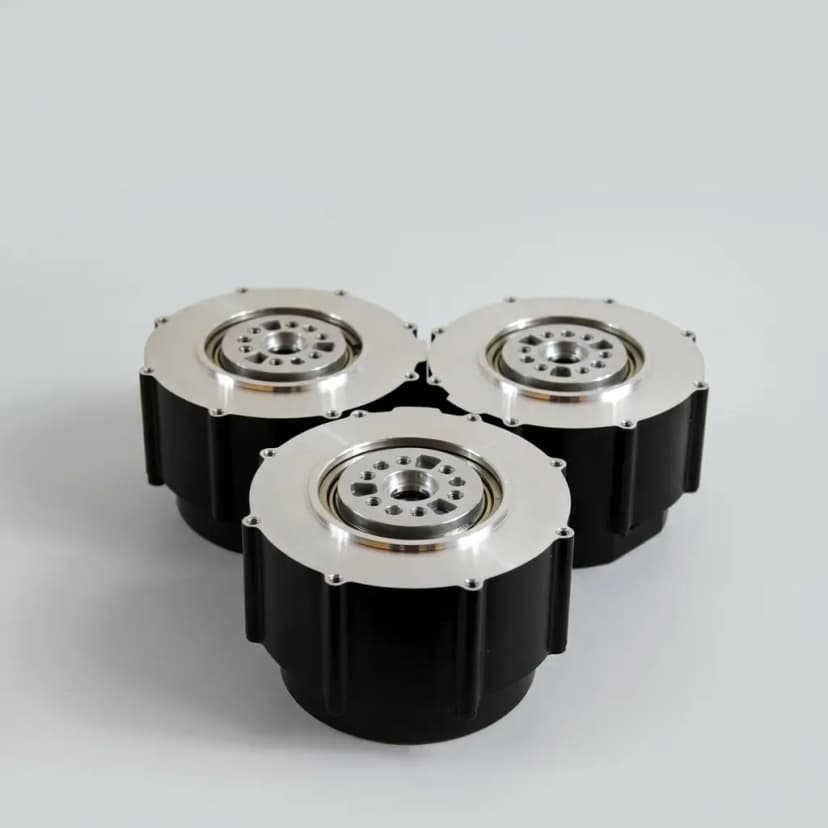
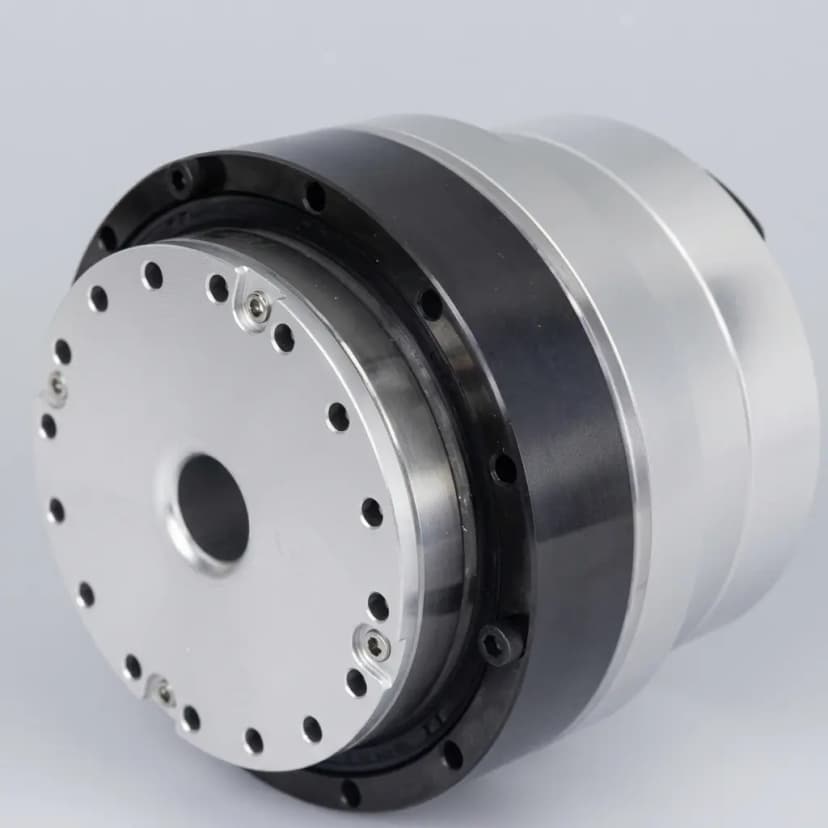
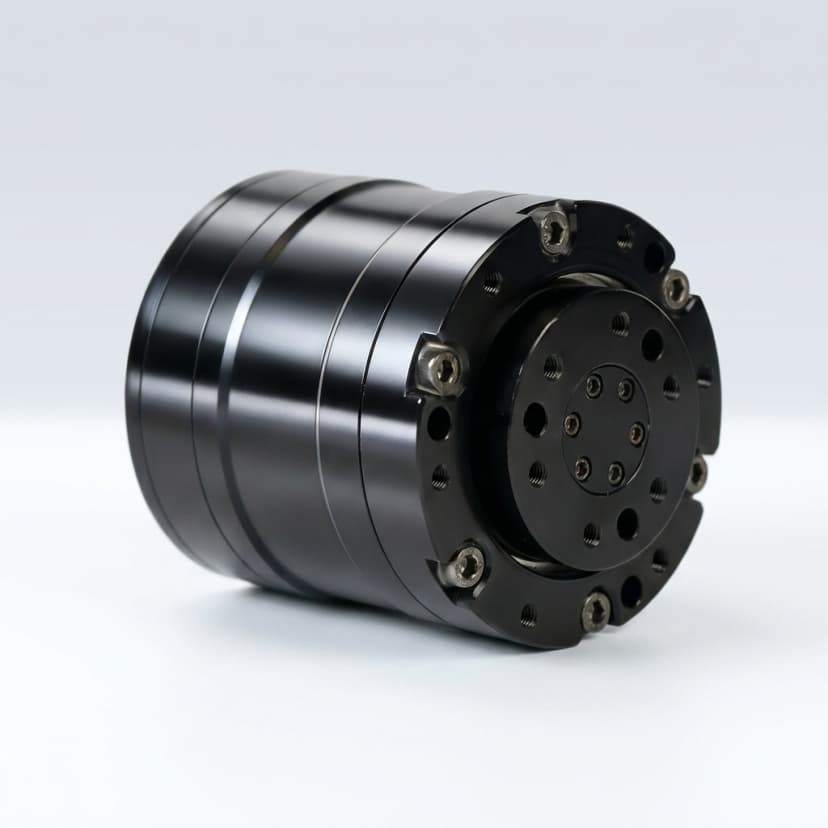
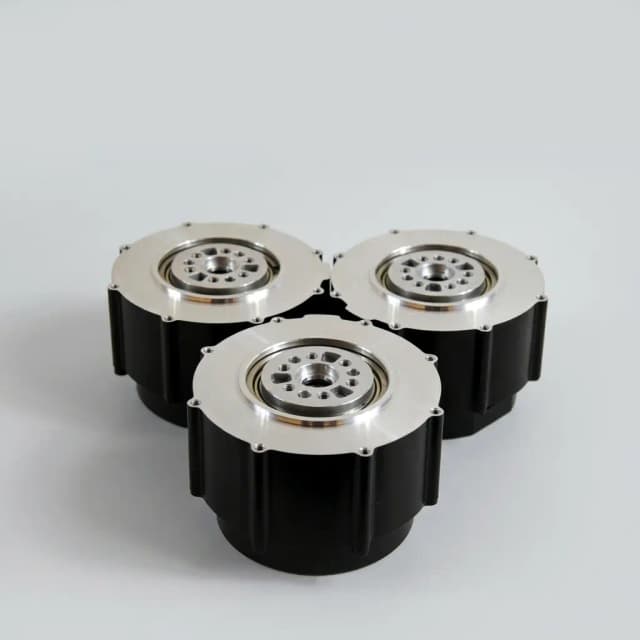
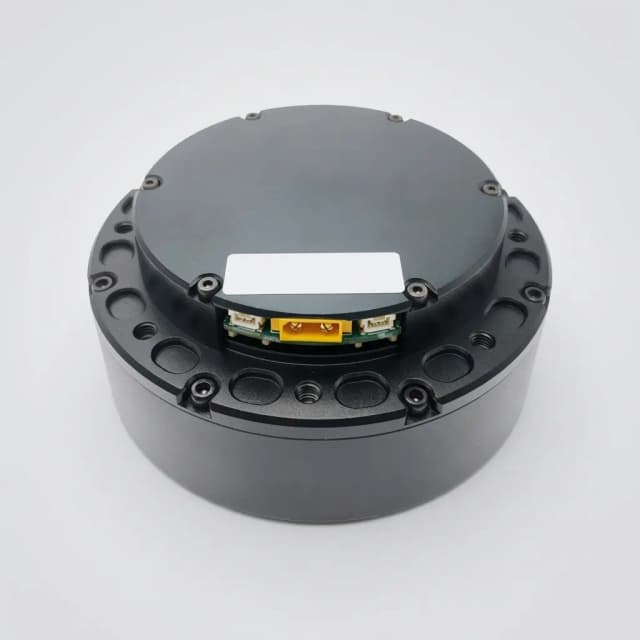
Quasi-direct-drive (QDD) motor sizing guidance for integrated modules, including 105Nm target configurations and 105nm integrated quasi-direct drive motor module selection.
Best for teams seeking integrated, high-torque QDD motor modules where target load limits (e.g., 105Nm class) still need datasheet and sample validation.
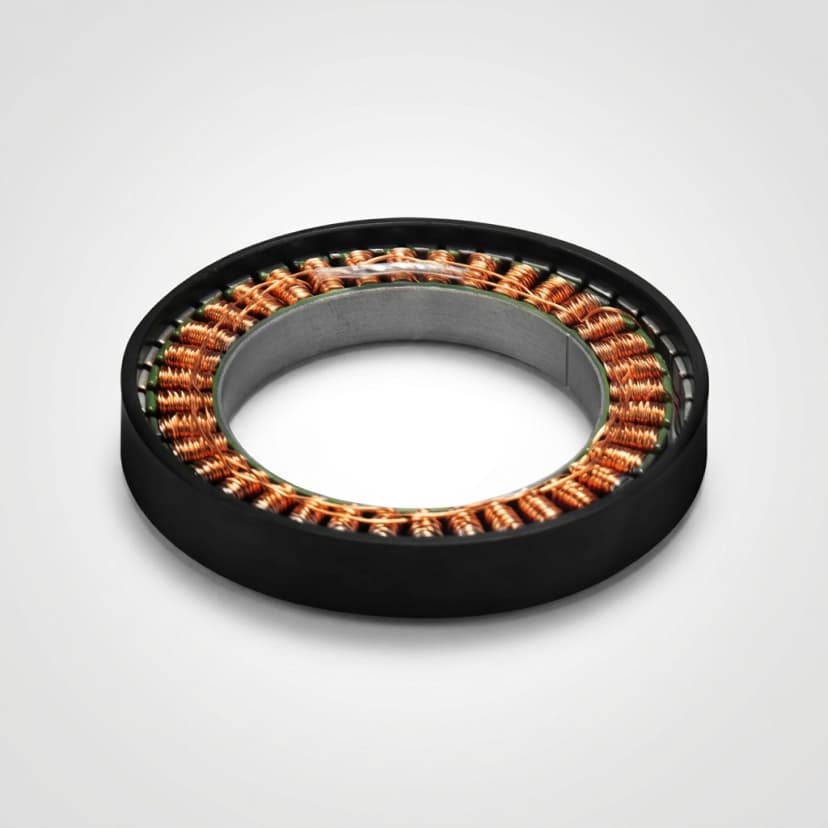
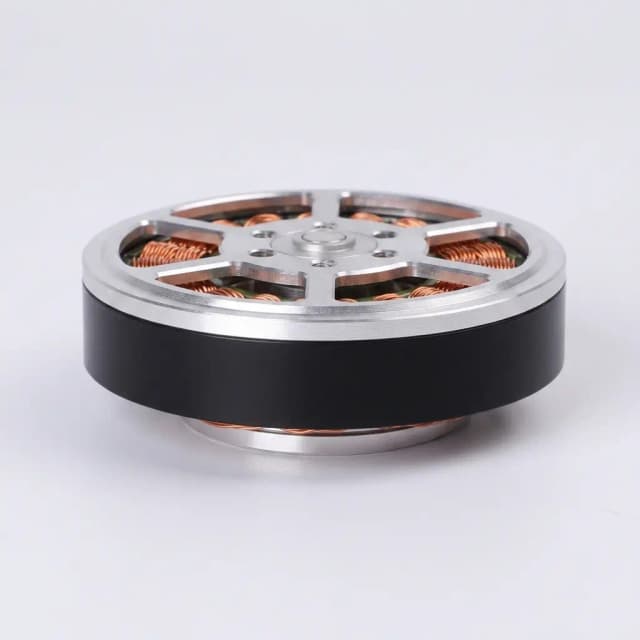
- High-torque brushless PMSM motor integrated with a low-ratio planetary gear set
- Excellent backdrivability, low mechanical impedance, and backdrive torque < 1.0 Nm
- Coverage for 105nm integrated quasi-direct drive motor module selection in humanoid knee/hip joints
Read engineering note